
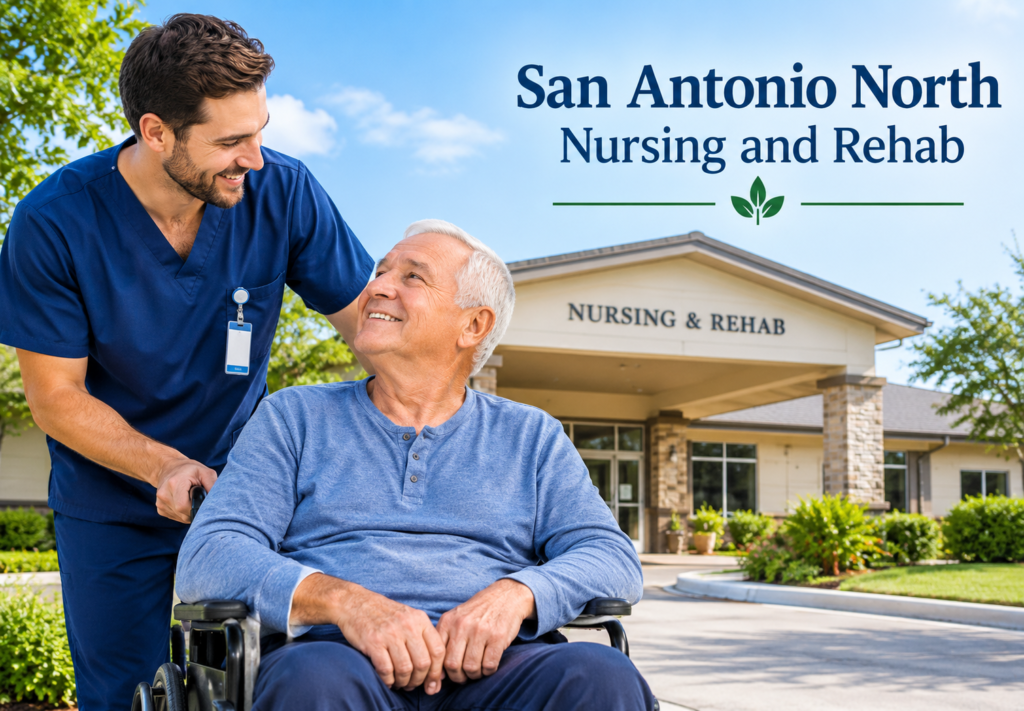
 San Antonio North Nursing and Rehab
Finding the right nursing and rehabilitation facility is an important decision for individuals and families who need professional care, recovery support, or long-term assistance. San Antonio North Nursing and Rehab can be an important search term for people looking for nursing care and rehabilitation options in the San Antonio area. Choosing a suitable facility requires understanding the types of services available, the quality of care, rehabilitation programs, staff support, and the overall environment.
Whether someone is recovering after surgery, managing a medical condition, or requiring additional assistance with daily activities, nursing and rehabilitation facilities can provide structured care in a supportive setting. Families often look for a facility that combines medical attention with rehabilitation, personal care, comfort, and individualized support.
What Is San Antonio North Nursing and Rehab?
San Antonio North Nursing and Rehab refers to nursing and rehabilitation care options serving individuals in the northern San Antonio area. These facilities are generally designed to support people who need skilled nursing services, rehabilitation therapy, recovery assistance, or longer-term residential care.
Nursing and rehabilitation centers can serve different types of residents. Some individuals may need short-term rehabilitation after a hospital stay, while others may require ongoing nursing assistance. The appropriate level of care depends on a person’s medical needs, mobility, recovery goals, and recommendations from healthcare professionals.
A good nursing and rehabilitation environment focuses on more than basic medical care. It can also provide assistance with daily activities, therapy, nutritional support, medication management, and social engagement.
Nursing Care Services in San Antonio
Professional nursing care is one of the most important components of a rehabilitation facility. Skilled nursing teams can help residents manage their healthcare needs while providing ongoing monitoring and assistance.
Depending on the facility and individual care plan, nursing services may include medication assistance, monitoring of health conditions, wound care, mobility support, personal care, and coordination with physicians and other healthcare professionals.
Residents who require skilled nursing care may benefit from having trained professionals available throughout the day. This can provide families with additional confidence that their loved one is receiving appropriate attention and support.
Skilled Nursing Care
Skilled nursing care is intended for people who require professional healthcare services that cannot always be provided safely at home. Care may be recommended following hospitalization, surgery, illness, or a change in a person’s health condition.
A personalized care plan helps nursing professionals understand the resident’s needs and coordinate appropriate services. Regular communication between nursing staff, healthcare providers, residents, and family members can also contribute to better continuity of care.
Long-Term Nursing Support
Some residents need nursing assistance for an extended period. Long-term care can help individuals who have ongoing medical or daily living needs that make independent living difficult.
Long-term nursing support may include assistance with personal hygiene, meals, mobility, medication routines, and other everyday activities. The goal is to provide a safe and comfortable environment while maintaining the resident’s dignity and independence whenever possible.
Rehabilitation Services for Recovery
Rehabilitation is another major part of nursing and rehab care. Many people enter a rehabilitation facility after a hospital stay because they need additional therapy before returning home.
Rehabilitation programs can focus on improving strength, mobility, balance, coordination, and functional independence. Therapy plans are generally developed according to the individual’s condition and recovery goals.
Physical Therapy
Physical therapy can help individuals improve movement, strength, balance, and physical function. It may be particularly useful for people recovering from surgery, injury, illness, or periods of limited mobility.
A physical therapist may develop exercises and activities designed around the resident’s abilities. Progress can be monitored over time, allowing the therapy program to be adjusted as recovery develops.
Occupational Therapy
Occupational therapy focuses on helping people perform everyday activities more independently. These activities can include dressing, grooming, eating, transferring between surfaces, and other daily tasks.
For individuals who have experienced changes in mobility or physical function, occupational therapy can be an important part of the transition back to independent living.
Speech Therapy
Speech therapy may be recommended for individuals who have difficulties with communication, speech, or swallowing. Certain medical conditions can affect these abilities, making professional evaluation and therapy valuable.
A speech-language professional can assess individual needs and create an appropriate therapy plan based on the person’s condition and recovery objectives.
Who May Benefit From Nursing and Rehabilitation Care?
Different people can benefit from nursing and rehabilitation services. The most appropriate facility depends on individual healthcare requirements.
People who may benefit include those recovering from surgery, individuals transitioning from a hospital to home, older adults requiring additional assistance, and people managing certain chronic health conditions.
Post-Hospital Rehabilitation
A hospital stay does not always mean a person is ready to return home immediately. Some patients require additional rehabilitation before safely resuming normal activities.
A nursing and rehabilitation center can provide a structured environment where individuals receive nursing support and therapy while working toward greater independence.
Recovery After Surgery
Certain surgeries can temporarily affect mobility, strength, and the ability to complete daily activities. Rehabilitation may help individuals regain functional abilities and learn safe ways to move during recovery.
The rehabilitation process should be based on professional recommendations and the individual’s specific condition.
Personalized Care Plans
Every resident has different needs. For this reason, individualized care planning is an important part of quality nursing and rehabilitation services.
A personalized care plan may consider medical history, current health needs, mobility, nutrition, medication requirements, therapy goals, and personal preferences.
Care plans can also evolve as a person’s condition changes. Regular evaluation allows the care team to determine whether adjustments are needed.
Families can play an important role in this process by communicating relevant information about the resident’s preferences, routines, and needs.
Importance of a Supportive Care Environment
The environment of a nursing and rehabilitation facility can influence a resident’s overall experience. A clean, organized, comfortable, and respectful environment can help residents feel more secure.
Beyond clinical services, social interaction and emotional support can also be valuable. Opportunities for appropriate activities and interaction with other residents can help reduce isolation and create a stronger sense of community.
Staff members who communicate respectfully and treat residents with dignity can make a significant difference in the overall care experience.
Choosing the Right San Antonio Nursing and Rehab Facility
Families comparing San Antonio North Nursing and Rehab options should evaluate several factors before making a decision.
Location is often important because a facility that is reasonably close to family members may make regular visits easier. However, location should be considered alongside the quality and type of care provided.
Families should also ask about rehabilitation services, nursing availability, therapy schedules, staffing, care plans, visiting policies, dining services, activities, and communication with healthcare providers.
Questions to Ask Before Choosing a Facility
Before selecting a nursing and rehabilitation center, families may want to ask:
- What nursing services are available?
- Does the facility provide physical, occupational, and speech therapy?
- How are individual care plans created?
- How frequently are residents evaluated?
- How does the facility communicate with families?
- What assistance is available with daily activities?
- What are the visiting policies?
- What types of rooms and accommodations are available?
- How are meals and nutritional needs handled?
- What happens if a resident’s medical needs change?
Getting clear answers can make it easier to compare facilities and determine which environment best fits the resident’s needs.
Benefits of Professional Rehabilitation Support
One major advantage of professional rehabilitation is having trained specialists involved in the recovery process. Instead of attempting to manage every aspect of recovery alone, residents can receive structured support according to their individual needs.
Professional rehabilitation may also help residents learn safer movement techniques and strategies for completing daily activities. Consistent therapy and nursing supervision can support the transition from hospital care toward greater independence.
However, recovery times differ from person to person. Progress depends on many factors, including the underlying condition, age, physical abilities, treatment plan, and overall health.
Family Involvement in Nursing and Rehab Care
Family involvement can be an important part of a successful care experience. Relatives can provide emotional encouragement while staying informed about the resident’s progress.
Families may also communicate with care teams about important preferences and changes they notice. Maintaining open communication can help everyone understand the resident’s current needs.
Regular visits, when appropriate, can provide reassurance and help residents remain connected with the people who matter most to them.
Comfort, Dignity, and Quality of Life
Quality nursing care should address both healthcare needs and quality of life. Residents deserve to be treated with dignity, respect, and compassion.
A supportive facility should recognize that each person has individual preferences, routines, and goals. Care should therefore be respectful and focused on the resident rather than taking a one-size-fits-all approach.
Comfortable surroundings, appropriate activities, nutritious meals, social opportunities, and respectful communication can all contribute to a positive residential experience.
What to Expect During the Rehabilitation Process
The rehabilitation process can vary considerably depending on the person’s condition. Typically, care begins with an assessment of medical and functional needs.
Healthcare professionals then develop goals and determine which services may be appropriate. Therapy sessions and nursing care are provided according to the care plan, with progress evaluated over time.
Some individuals may improve quickly, while others require a longer period of support. The ultimate objective is generally to help the person achieve the highest practical level of independence and safely transition to the next stage of care.
San Antonio North Nursing and Rehab: Making an Informed Decision
Searching for San Antonio North Nursing and Rehab is often the first step for families exploring professional nursing and rehabilitation services in the northern San Antonio area. The best choice should be based on the individual’s healthcare needs rather than simply selecting the closest facility.
Families should compare available services, rehabilitation programs, nursing support, facility environment, communication practices, and overall suitability.
It can also be helpful to speak directly with the facility and healthcare professionals before making a final decision. Asking detailed questions allows families to understand what services are available and whether the facility can accommodate the resident’s specific needs.
Final Thoughts
Choosing nursing and rehabilitation care is an important decision that deserves careful consideration. San Antonio North Nursing and Rehab can serve as a useful search term for families exploring nursing, rehabilitation, recovery, and supportive care options in North San Antonio.
Whether the need involves short-term rehabilitation after hospitalization or longer-term nursing support, individualized care and professional assistance can make the process more manageable. Families should evaluate each facility carefully, ask questions, understand available services, and consider the resident’s personal preferences and healthcare requirements.
The right care environment can provide valuable nursing assistance, rehabilitation support, and a comfortable setting while helping individuals work toward greater independence and a better quality of life.
