
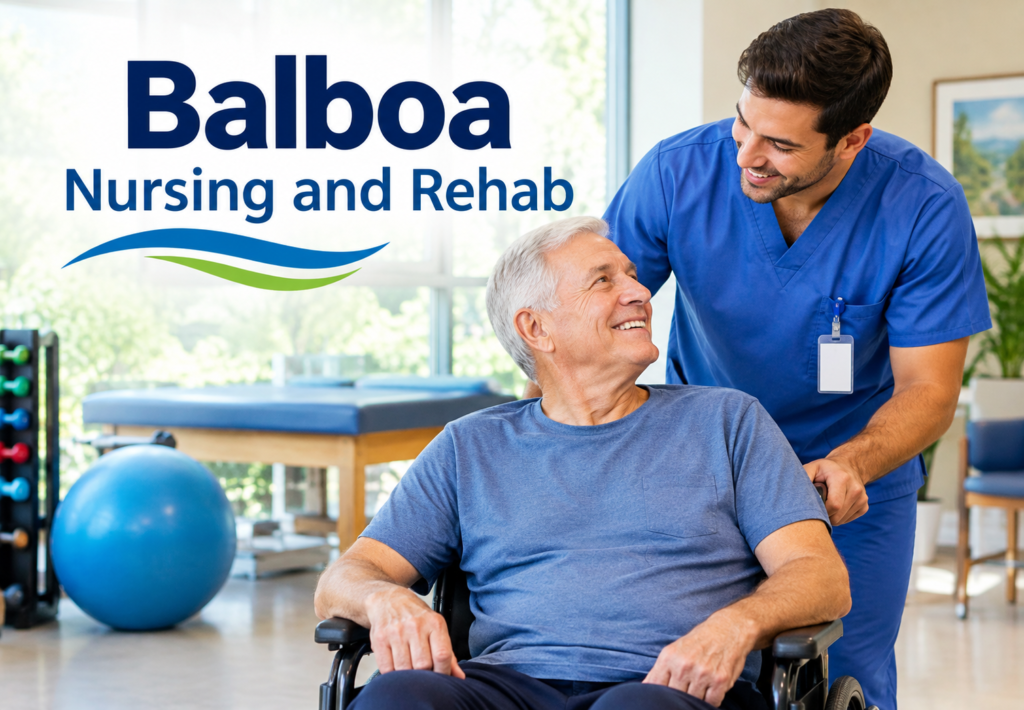
 Balboa Nursing and Rehab: A Complete Guide to Skilled Nursing and Rehabilitation Care
Finding the right nursing and rehabilitation facility can be an important decision for individuals and families who need professional support after an illness, injury, surgery, or change in health needs. Balboa Nursing and Rehab is a search term often used by people looking for information about nursing care, rehabilitation services, therapy programs, long-term care, and supportive services.
Choosing a rehabilitation or skilled nursing facility involves more than simply comparing locations. Families should consider the quality of nursing care, rehabilitation options, staff experience, resident safety, daily activities, communication, and the overall environment. Understanding these factors can make the search easier and help families make a more informed decision.
What Is Balboa Nursing and Rehab?
Balboa Nursing and Rehab refers to nursing and rehabilitation care designed to support people who require professional assistance with recovery, daily activities, or ongoing healthcare needs. Nursing and rehabilitation facilities generally provide a combination of skilled nursing services, personal support, therapy, and structured care.
Some residents may need rehabilitation for a limited period following hospitalization, while others may require longer-term nursing support. The appropriate level of care depends on an individual’s medical condition, mobility, recovery goals, and recommendations from healthcare professionals.
A nursing and rehabilitation center can provide an organized environment where residents receive assistance while working toward greater independence whenever possible.
Why Choose Nursing and Rehabilitation Care?
Recovering at home is not always the best option after surgery, illness, injury, or hospitalization. Some people need professional nursing supervision and rehabilitation services before they are ready to return home.
A nursing and rehab facility can provide several important benefits, including:
- Professional nursing support
- Physical rehabilitation
- Occupational therapy
- Assistance with daily activities
- Medication management
- Ongoing health monitoring
- Support with mobility and transfers
- Structured daily routines
- Social and recreational activities
The goal is often to provide a safe and supportive environment while helping residents achieve the highest practical level of independence.
Skilled Nursing Services
Skilled nursing is an important part of rehabilitation and long-term care. Licensed nurses and healthcare professionals can monitor residents and provide care according to individual needs and medical plans.
Depending on the facility and resident’s requirements, skilled nursing care may include medication assistance, monitoring of health conditions, wound care, coordination with physicians, and support following hospitalization.
Families should ask a facility about its nursing services before making a decision. It is also helpful to understand how staff communicate with families and how changes in a resident’s condition are handled.
Rehabilitation Services at a Nursing and Rehab Facility
Rehabilitation is one of the primary reasons people choose skilled nursing facilities after hospitalization or an injury. Therapy programs are generally designed around a person’s individual abilities, limitations, and recovery goals.
Physical Therapy
Physical therapy can help residents improve movement, strength, balance, coordination, and mobility. This type of therapy may be particularly useful for individuals recovering from surgery, illness, injury, or periods of reduced activity.
A physical therapist may develop exercises and activities based on the resident’s condition and progress.
Occupational Therapy
Occupational therapy focuses on helping people perform everyday activities more independently. Therapy may address tasks such as dressing, grooming, eating, transferring, and other daily routines.
The objective is not simply to improve physical ability but also to help residents safely manage important activities in their daily lives.
Speech Therapy
Some rehabilitation facilities also provide speech-language therapy. Speech therapy can assist people who experience communication, cognitive, or swallowing difficulties.
The appropriate therapy program depends on an individual’s assessment and healthcare needs.
Short-Term Rehabilitation vs. Long-Term Care
One of the most important distinctions families should understand is the difference between short-term rehabilitation and long-term nursing care.
Short-term rehabilitation is generally intended for people who need temporary support while recovering from an illness, injury, surgery, or hospitalization. The focus is often on therapy and regaining the abilities necessary to return home or transition to another appropriate setting.
Long-term care, on the other hand, may be appropriate for individuals who require ongoing assistance with healthcare needs or daily activities.
When researching Balboa Nursing and Rehab, families should determine which type of care is appropriate for their situation and whether the facility offers the services required.
Personalized Care Plans
Every resident has different needs. A strong nursing and rehabilitation program should recognize these differences rather than using exactly the same approach for everyone.
An individualized care plan may consider:
- Medical history
- Current health conditions
- Mobility level
- Medication requirements
- Therapy needs
- Dietary considerations
- Communication needs
- Personal preferences
- Rehabilitation goals
- Assistance required with daily activities
Care plans may also be updated as a resident’s condition changes.
Importance of a Safe and Comfortable Environment
Safety should be a major consideration when evaluating a nursing and rehabilitation facility. Families should look at the physical environment as well as the facility’s approach to resident care.
Important areas to consider include cleanliness, accessibility, emergency procedures, fall-prevention practices, appropriate supervision, and the availability of assistance when residents need it.
A comfortable environment can also contribute to a better overall experience. Residents may benefit from comfortable common areas, outdoor spaces, social opportunities, recreational activities, and an atmosphere that encourages dignity and respect.
Daily Life in a Nursing and Rehab Center
Nursing and rehabilitation care involves more than medical services. Daily routines can have an important role in a resident’s overall well-being.
Depending on the facility, residents may have opportunities to participate in social activities, entertainment, group programs, games, arts and crafts, outdoor activities, or other recreational events.
Maintaining social connections can help residents feel engaged and connected to their community. Families should ask about the activities available and whether residents can participate according to their individual abilities.
Nutrition and Dining Services
Nutrition is another important consideration when choosing a nursing and rehabilitation facility. Residents may have different dietary requirements depending on their medical conditions, medications, allergies, and personal preferences.
Families can ask questions about:
- Meal schedules
- Special diets
- Dietary accommodations
- Nutrition monitoring
- Food preferences
- Hydration support
- Communication with dietary staff
Good nutrition can support general health and can be an important part of a person’s recovery and daily care.
Family Communication and Support
Family communication can make a significant difference in the overall care experience. Families should feel comfortable asking questions and receiving appropriate updates about their loved one’s care.
Before choosing Balboa Nursing and Rehab or another facility, consider asking how the center communicates with families, who should be contacted with questions, and how care-plan changes are discussed.
Clear communication can help families understand progress, identify concerns early, and remain involved in appropriate care decisions.
Questions to Ask Before Choosing Balboa Nursing and Rehab
Visiting a nursing and rehabilitation facility in person can help families understand whether it is a suitable environment. Prepare a list of questions before the visit.
Some useful questions include:
What Nursing Services Are Available?
Ask about the level of nursing support available throughout the day and night and whether the facility can accommodate the resident’s specific healthcare requirements.
What Rehabilitation Programs Are Offered?
Find out whether physical, occupational, and speech therapy are available and how therapy plans are developed.
How Are Residents’ Care Plans Created?
Ask who participates in developing the care plan and how frequently it is reviewed.
How Does the Facility Communicate With Families?
Understand how families receive updates and who they should contact if they have concerns.
What Activities Are Available?
Ask about recreational programs, social activities, outdoor opportunities, and other ways residents can remain engaged.
What Are the Visiting Policies?
Visiting arrangements can vary. Families should confirm current visiting procedures directly with the facility.
How to Prepare for a Nursing and Rehab Stay
Preparing in advance can make a transition to rehabilitation or skilled nursing care easier.
Families may need to organize important medical information, medication lists, healthcare contacts, insurance information, personal clothing, mobility equipment, and other necessary belongings.
It is also useful to discuss expectations with the healthcare team before admission. Understanding the rehabilitation goals and anticipated care needs can help residents and families prepare emotionally and practically.
Choosing the Right Rehabilitation Facility
There is no single nursing facility that is perfect for every person. The right choice depends on individual healthcare requirements, rehabilitation goals, location, services, environment, and family preferences.
When comparing Balboa Nursing and Rehab with other facilities, consider the complete picture rather than focusing on only one factor.
Look at the available services, staff, cleanliness, resident experience, therapy options, communication practices, and whether the facility can meet the person’s current and anticipated needs.
Why Location Can Matter
Location can be an important consideration for families. A facility that is reasonably accessible can make it easier for family members and friends to visit regularly.
Frequent visits may provide emotional support and help families remain involved in the resident’s care. However, location should be considered alongside quality, services, and suitability rather than used as the only deciding factor.
Rehabilitation Goals and Recovery
Rehabilitation often works best when residents, families, therapists, nurses, and physicians understand the overall goals.
Goals may involve improving mobility, increasing independence with daily activities, improving communication or swallowing abilities, or safely transitioning to another care setting.
Progress can vary from person to person. Recovery may depend on the underlying condition, overall health, motivation, therapy participation, and other individual factors.
Making an Informed Decision
Choosing nursing and rehabilitation care is an important decision. Families should gather information from healthcare professionals, visit potential facilities when possible, review available services, and ask detailed questions.
If you are researching Balboa Nursing and Rehab, focus on whether the facility can provide the level of nursing, therapy, safety, support, and personal care that the individual requires.
A thoughtful comparison can help families select a care environment that supports both healthcare needs and quality of life.
Final Thoughts on Balboa Nursing and Rehab
Balboa Nursing and Rehab is a useful search starting point for individuals and families exploring nursing, skilled care, and rehabilitation options. Whether someone needs short-term rehabilitation after hospitalization or longer-term supportive care, understanding available services is essential.
The best choice should be based on individual needs rather than the name of a facility alone. Consider nursing services, rehabilitation programs, individualized care plans, safety, nutrition, activities, communication, location, and the overall environment.
By researching these factors and asking the right questions, families can approach the decision with greater confidence and choose a care option that aligns with the resident’s healthcare needs and recovery goals.
