
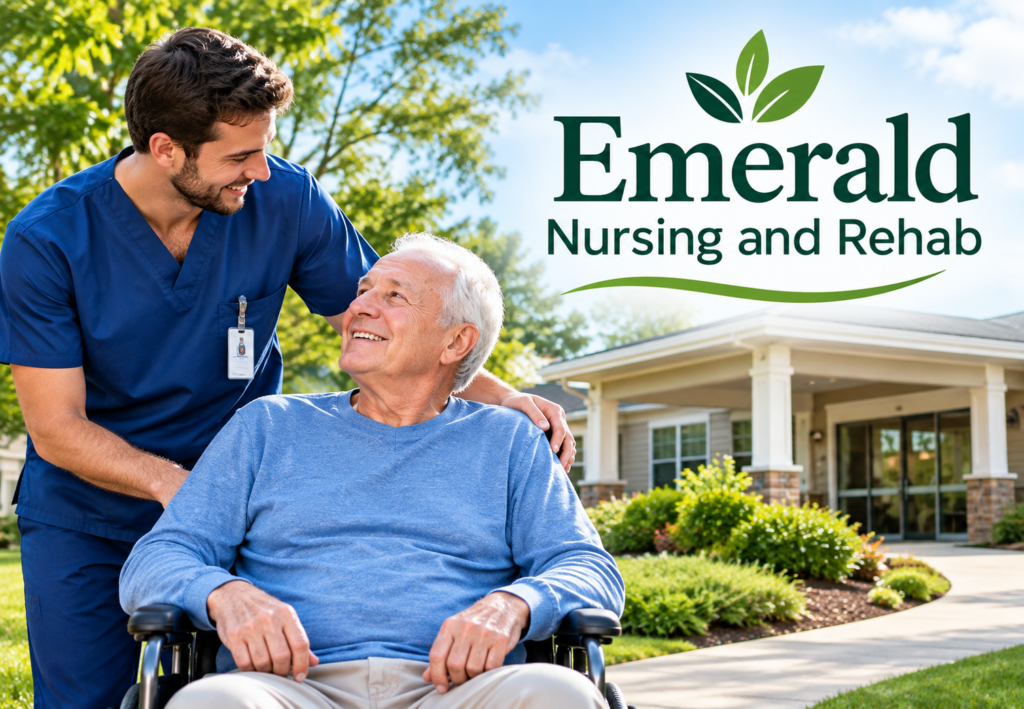
 Emerald Nursing and Rehab: Compassionate Nursing Care and Rehabilitation Support
Finding the right nursing and rehabilitation facility is an important decision for individuals and families who need professional healthcare support. Whether someone is recovering after surgery, managing a medical condition, rebuilding strength after an injury, or requiring ongoing nursing assistance, choosing a trusted care facility can make a meaningful difference.
Emerald Nursing and Rehab is a search term often used by people looking for nursing care, rehabilitation services, recovery support, and a comfortable environment for patients and seniors. Understanding what to look for in a nursing and rehabilitation center can help families make a more informed decision about their loved one’s care.
This guide explains the key services commonly associated with nursing and rehabilitation facilities, what patients can expect during recovery, and the factors families should consider when evaluating a care center.
What Is Emerald Nursing and Rehab?
Emerald Nursing and Rehab refers to a nursing and rehabilitation care setting designed to support people who need professional healthcare assistance and rehabilitation services. Nursing and rehab facilities generally provide a combination of medical care, personal assistance, therapy, and recovery-focused services.
Patients may enter a rehabilitation facility following a hospital stay, surgery, illness, injury, or other health-related event. The goal is often to help patients become stronger and more independent while receiving appropriate professional care.
Depending on the individual’s needs, care may include nursing supervision, physical therapy, occupational therapy, medication management, assistance with daily activities, and other supportive services.
Why Nursing and Rehabilitation Care Is Important
Recovering from an illness or injury can be challenging without the right support. Some patients may require more care than they can safely receive at home, especially immediately after hospitalization.
A professional nursing and rehabilitation environment can provide structured support throughout the recovery process.
Some of the major benefits include:
- Professional nursing supervision
- Rehabilitation therapy
- Assistance with daily activities
- Medication management
- Recovery planning
- Monitoring of patient progress
- Support for seniors and individuals with complex care needs
- A structured environment for rehabilitation
The combination of nursing care and rehabilitation can help patients work toward their individual recovery goals.
Skilled Nursing Care at Emerald Nursing and Rehab
Skilled nursing is an important part of rehabilitation and post-acute care. Patients recovering from medical procedures or serious illnesses may require professional monitoring that is difficult to provide without trained healthcare staff.
Skilled nursing services may include monitoring vital signs, administering medications, assisting with wound care, coordinating physician recommendations, and observing changes in a patient’s condition.
Nurses also communicate with other members of the healthcare team to help ensure that the patient’s care plan is followed appropriately.
For families, having trained professionals available can provide additional reassurance while a loved one is recovering.
Rehabilitation Services for Better Recovery
Rehabilitation is one of the most important components of a nursing and rehab facility. Therapy is generally tailored to the patient’s specific condition, abilities, and recovery goals.
Physical Therapy
Physical therapy focuses on improving movement, strength, balance, coordination, and mobility.
Patients may receive physical therapy after:
- Joint replacement surgery
- Orthopedic injuries
- Falls
- Stroke
- Prolonged hospitalization
- Other conditions affecting mobility
A physical therapist may develop exercises and activities designed to help patients gradually regain functional abilities.
Occupational Therapy
Occupational therapy focuses on helping people perform everyday activities more independently.
Therapy may address activities such as dressing, bathing, eating, moving safely, and completing other daily tasks.
For patients whose physical abilities have changed because of illness or injury, occupational therapy can be an important part of the rehabilitation process.
Speech Therapy
Some rehabilitation facilities also provide speech and language therapy.
Speech therapy may assist patients experiencing difficulties with communication, speech, cognitive functions, or swallowing. The specific therapy plan depends on the patient’s condition and professional assessment.
Short-Term Rehabilitation and Recovery
Many people enter a nursing rehabilitation center for short-term care following hospitalization or surgery.
The purpose of short-term rehabilitation is to provide professional support while the patient works toward returning home or moving to a less intensive level of care.
During this period, healthcare professionals can monitor progress and adjust rehabilitation activities according to the patient’s needs.
Short-term rehabilitation may be appropriate for people recovering from:
- Surgery
- Serious illness
- Falls
- Fractures
- Stroke
- Joint replacement
- Other medical conditions requiring rehabilitation
The length of stay varies from person to person because every recovery process is different.
Long-Term Nursing Care
Not every patient needs rehabilitation for only a few weeks. Some individuals require ongoing nursing assistance because of chronic health conditions, age-related needs, disabilities, or other circumstances.
Long-term nursing care may provide assistance with daily activities, medication routines, personal care, meals, mobility, and ongoing health monitoring.
Families considering long-term care should evaluate the facility’s approach to individualized care, staff availability, cleanliness, communication, and resident comfort.
A Comfortable Environment Matters
Healthcare is not only about medical treatment. A comfortable and supportive environment can also influence a patient’s overall experience.
A good nursing and rehabilitation facility should aim to create an environment where residents feel respected and supported.
Important environmental factors may include:
- Clean and well-maintained rooms
- Safe walking areas
- Comfortable common spaces
- Accessible facilities
- Appropriate dining services
- Opportunities for social interaction
- A respectful atmosphere
Families should consider visiting a facility when possible. A personal visit can provide useful insight into the environment and how staff interact with patients and residents.
Personalized Care Plans
Every patient has different healthcare requirements. A strong rehabilitation program should therefore focus on individualized care rather than using exactly the same approach for everyone.
A personalized care plan may consider the patient’s:
- Medical history
- Current condition
- Mobility level
- Rehabilitation goals
- Medication needs
- Daily living requirements
- Family preferences
- Expected recovery objectives
Healthcare professionals can use this information to develop an appropriate plan and monitor progress over time.
Support After Surgery
Surgery can be physically demanding, and some patients may need additional support after leaving the hospital.
A nursing and rehabilitation facility can provide a structured setting for post-surgical recovery. Depending on the procedure, patients may need assistance with mobility, medication routines, physical therapy, wound monitoring, and daily activities.
Rehabilitation professionals can gradually introduce appropriate exercises and activities while nursing staff monitor the patient’s overall condition.
The goal is to support a safe and progressive recovery based on the patient’s individual healthcare plan.
Care for Seniors
Older adults may require additional support following illness, injury, hospitalization, or surgery. A nursing and rehabilitation facility can offer an environment designed around their healthcare and daily living needs.
Senior care may involve assistance with mobility, personal activities, medications, meals, and routine healthcare monitoring.
Families should look for a facility that treats older adults with dignity and recognizes that each resident has unique preferences and care requirements.
How Families Can Choose the Right Nursing and Rehab Facility
Selecting a nursing and rehabilitation facility requires careful consideration. Families should avoid making the decision based solely on appearance or advertising.
Review Available Services
Start by determining whether the facility provides the services the patient actually needs.
For example, someone recovering from orthopedic surgery may require physical therapy, while another patient may need long-term nursing assistance.
Ask About Rehabilitation Programs
Ask what types of therapy are available and how rehabilitation plans are created.
It can also be useful to ask how frequently patients participate in therapy and how progress is monitored.
Consider Nursing Support
Ask about nursing services and how patient needs are addressed throughout the day and night.
Understanding how healthcare concerns are communicated can help families feel more confident about their choice.
Visit the Facility
Whenever possible, schedule a visit.
Pay attention to cleanliness, staff professionalism, patient interactions, accessibility, and the overall atmosphere.
Discuss the Care Plan
Before admission, families should understand what type of care the patient is expected to receive.
Discussing goals, expected services, therapy, medications, and daily assistance can help prevent misunderstandings later.
What to Expect During a Rehabilitation Stay
A rehabilitation stay typically begins with an assessment of the patient’s medical condition and functional abilities.
Healthcare professionals may review the patient’s medical history, current medications, mobility, and rehabilitation requirements.
A care plan can then be developed based on the patient’s needs.
As rehabilitation continues, therapists and nursing professionals monitor progress and make adjustments when appropriate.
The patient’s goals may include improving mobility, increasing independence, safely completing daily activities, or preparing to return home.
Family Involvement in Recovery
Family support can be an important part of the rehabilitation process.
Family members can communicate with healthcare professionals, participate in care discussions, and encourage patients during difficult periods of recovery.
Regular communication can also help families understand changes in the patient’s condition and progress.
However, family involvement should complement professional healthcare rather than replace medical guidance.
Questions to Ask Before Choosing Emerald Nursing and Rehab
Before selecting a nursing and rehabilitation facility, families may want to ask several questions.
What rehabilitation services are available?
Understanding whether physical, occupational, or speech therapy is offered can help determine whether the facility fits the patient’s needs.
How is the care plan developed?
Ask how staff evaluate patients and establish individual treatment goals.
How is patient progress monitored?
A good care process should include regular evaluation and communication among healthcare professionals.
What nursing services are available?
Families should understand what types of nursing support are provided and when staff are available.
What should patients bring?
Ask the facility for an admission checklist covering clothing, personal items, medications, and required documentation.
Preparing for a Nursing and Rehabilitation Stay
Preparation can make the transition easier for both patients and family members.
Families should organize important medical information, medication lists, physician information, insurance documents, and personal items before admission.
It is also helpful to discuss the patient’s daily routines and preferences with the care team.
Patients may feel nervous about entering a rehabilitation facility, particularly after a hospital stay. Clear communication and family support can make the transition more comfortable.
The Goal of Rehabilitation Is Greater Independence
One of the central goals of rehabilitation is helping patients regain as much functional independence as possible.
Recovery does not necessarily mean returning to exactly the same abilities immediately. Progress may occur gradually through therapy, nursing support, exercise, education, and daily practice.
Small improvements can be meaningful. A patient who initially needs significant assistance may gradually learn to perform certain activities with less support.
The rehabilitation team can help identify realistic goals and work toward them step by step.
Why Quality Care Matters
Choosing a nursing and rehabilitation center is a significant decision because the quality of care can affect a patient’s comfort, safety, and recovery experience.
Families should look beyond the facility name and carefully evaluate the actual services, healthcare professionals, rehabilitation programs, environment, communication practices, and patient experience.
A facility that combines professional nursing support with individualized rehabilitation can provide valuable assistance during challenging stages of recovery.
Frequently Asked Questions About Emerald Nursing and Rehab
What is Emerald Nursing and Rehab?
Emerald Nursing and Rehab refers to a nursing and rehabilitation care setting that may provide skilled nursing, rehabilitation therapy, personal assistance, and recovery support for patients and seniors.
Who may need nursing and rehabilitation care?
People recovering from surgery, illness, injuries, falls, strokes, or other medical conditions may benefit from professional nursing and rehabilitation services. Some individuals may also require long-term nursing support.
What rehabilitation services may be available?
Depending on the facility, rehabilitation services may include physical therapy, occupational therapy, and speech therapy.
How long does rehabilitation take?
Recovery time varies significantly depending on the patient’s medical condition, treatment requirements, physical abilities, and individual goals. Healthcare professionals can provide a more personalized estimate.
Can families visit a nursing and rehabilitation facility?
Many facilities allow prospective residents and their families to schedule visits. Contacting the facility directly is the best way to confirm current visiting policies and arrangements.
What should families consider when choosing a nursing facility?
Families should consider available healthcare services, rehabilitation programs, nursing support, facility cleanliness, staff communication, patient safety, accommodations, and whether the facility can meet the individual’s specific needs.
Final Thoughts on Emerald Nursing and Rehab
Choosing the right nursing and rehabilitation environment can be an important step toward recovery and long-term care. Emerald Nursing and Rehab is a keyword associated with people searching for professional nursing assistance, rehabilitation services, senior care, and recovery support.
Whether a patient needs short-term rehabilitation after surgery or ongoing nursing assistance, families should take time to understand available services and determine whether a facility matches the patient’s individual requirements.
The best care approach is one that combines professional healthcare, personalized rehabilitation, compassionate support, patient safety, and respect for individual needs. Before making a final decision, families should verify current services, availability, costs, insurance requirements, and admission policies directly with the facility.
