
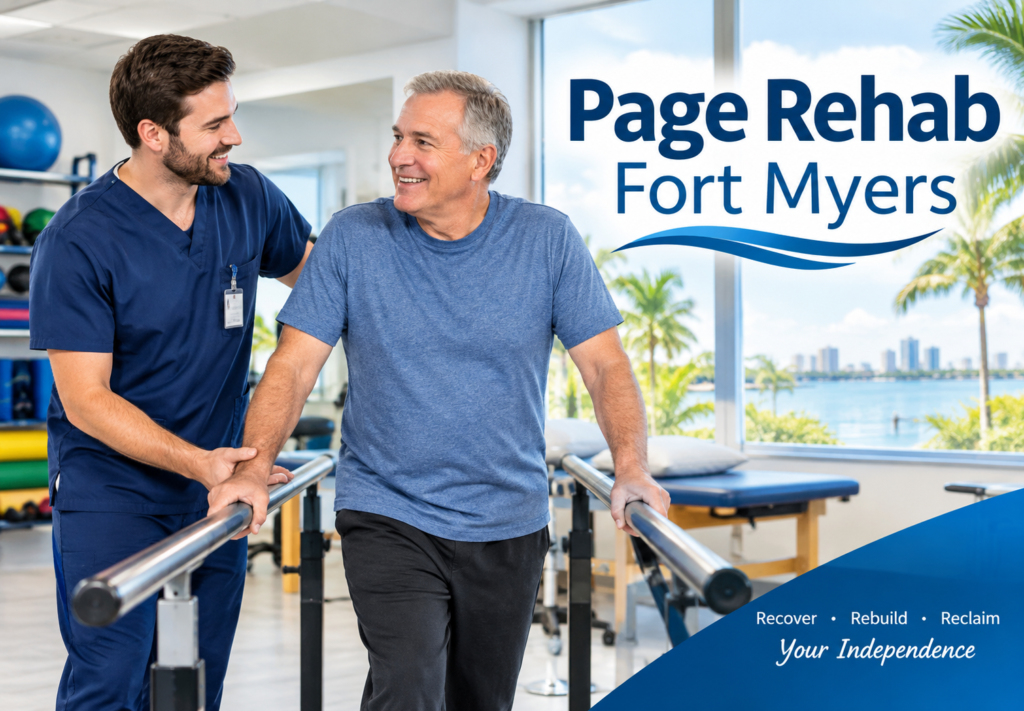
 Page Rehab Fort Myers: A Guide to Rehabilitation and Healthcare Services
Finding the right rehabilitation and healthcare facility can be an important decision for individuals and families in Southwest Florida. When searching for Page Rehab Fort Myers, people are often looking for information about rehabilitation services, skilled nursing care, recovery support, therapy programs, and a comfortable environment where patients can receive professional assistance.
Page Rehab Fort Myers can be a useful search term for families researching local healthcare options, particularly when a loved one needs short-term rehabilitation after an illness, surgery, injury, or hospital stay. Understanding what rehabilitation facilities offer and what to consider before choosing one can make the process easier.
What Is Page Rehab Fort Myers?
Page Rehab Fort Myers refers to rehabilitation and healthcare services associated with the Page Field area of Fort Myers, Florida. Rehabilitation facilities in this area may provide different levels of care depending on a patient’s medical needs, recovery goals, and physician recommendations.
Rehabilitation is designed to help people regain strength, mobility, independence, and confidence following a medical event. Depending on the individual situation, care may involve physical therapy, occupational therapy, nursing support, medication management, and assistance with daily activities.
For families searching for rehabilitation care in Fort Myers, it is important to look beyond the facility name and evaluate the services, staff, environment, therapy options, and overall approach to patient care.
Why Choose Rehabilitation Services in Fort Myers?
Fort Myers is a major healthcare and residential community in Southwest Florida. The city offers access to hospitals, medical providers, rehabilitation centers, skilled nursing facilities, outpatient therapy, and other healthcare resources.
Choosing a rehabilitation facility in Fort Myers can be convenient for families who live nearby. Being close to family members can make it easier to visit regularly, communicate with healthcare professionals, and participate in the recovery process.
A local rehabilitation center may also provide coordinated care between physicians, nurses, therapists, caregivers, and family members. This type of communication can be especially valuable when a patient is transitioning from a hospital to rehabilitation and eventually back home.
Rehabilitation Services Available in Fort Myers
The specific services available at a rehabilitation facility vary, so families should confirm the current programs directly with the provider. Common rehabilitation services may include several forms of therapy and supportive healthcare.
Physical Therapy
Physical therapy focuses on improving movement, strength, balance, coordination, and physical function.
Patients may benefit from physical therapy after:
- Orthopedic surgery
- Joint replacement
- Fractures
- Falls
- Prolonged hospitalization
- Neurological conditions
- General loss of mobility
A physical therapist evaluates the patient’s condition and develops exercises and activities appropriate for the individual’s recovery goals.
Occupational Therapy
Occupational therapy helps patients improve their ability to perform everyday activities safely and independently.
Therapy may focus on tasks such as dressing, bathing, eating, transferring between a bed and chair, and other daily activities. Occupational therapists can also recommend techniques or equipment that may make daily living easier.
Speech Therapy
Some rehabilitation programs provide speech and language therapy for patients who experience communication, swallowing, or related difficulties.
Speech-language professionals can evaluate individual needs and develop an appropriate therapy plan. This can be particularly important for patients recovering from certain neurological or medical conditions.
Skilled Nursing Care
Rehabilitation patients may require more than therapy. Skilled nursing services can provide ongoing clinical monitoring and assistance during recovery.
Depending on the facility and patient’s needs, nursing care may include medication management, monitoring vital signs, wound care, coordination with physicians, and support with daily healthcare needs.
Who May Benefit From Rehabilitation?
Rehabilitation is not limited to one type of patient. People may be referred to rehabilitation following different medical situations.
Recovery After Surgery
Patients recovering from procedures such as joint replacement or other major surgeries may temporarily need rehabilitation before returning home.
Therapy can help patients safely regain mobility and strength while healthcare professionals monitor their progress.
Recovery After a Hospital Stay
A long hospital stay can sometimes leave a person physically weaker than before. Rehabilitation can provide structured therapy and nursing support during the transition from hospital care to independent living.
Recovery After an Injury
People recovering from fractures, falls, or other injuries may require physical and occupational therapy to restore function.
Support for Older Adults
Older adults may sometimes need additional assistance following illness, injury, surgery, or hospitalization. Rehabilitation can provide structured support while helping patients work toward greater independence.
What to Look for When Choosing Page Rehab Fort Myers
Choosing a rehabilitation facility should involve more than simply searching for the closest location. Every patient’s needs are different, and families should consider several factors.
Quality of Care
Ask about the qualifications and experience of the healthcare team. Find out how nurses, therapists, physicians, and other professionals work together to support patients.
Therapy Programs
Ask which rehabilitation therapies are offered and how frequently patients participate in therapy. A suitable program should be based on the patient’s medical condition and recovery goals.
Personalized Care Plans
Recovery is different for every person. A good rehabilitation program should consider the patient’s current abilities, medical history, goals, and challenges when developing a care plan.
Facility Environment
The physical environment can affect a patient’s comfort and recovery experience. When possible, families should visit the facility and evaluate cleanliness, accessibility, common areas, therapy spaces, and overall atmosphere.
Communication With Families
Clear communication can make the rehabilitation process easier for everyone. Families should ask how they will receive updates about progress, care plans, therapy, and discharge planning.
Location
Location matters when family members plan to visit frequently. A Fort Myers rehabilitation facility that is conveniently located may make regular family involvement easier.
The Importance of a Personalized Rehabilitation Plan
A personalized rehabilitation plan helps ensure that treatment addresses the patient’s specific needs rather than following a one-size-fits-all approach.
At the beginning of rehabilitation, healthcare professionals may evaluate mobility, strength, balance, communication, daily living skills, and other relevant areas. Based on the assessment, the care team can establish appropriate goals.
Goals may include walking safely, improving balance, transferring independently, completing daily activities, or preparing to return home.
Progress can be monitored throughout the rehabilitation process, and the plan may be adjusted as the patient’s condition changes.
What Happens During Rehabilitation?
The rehabilitation experience varies according to the patient’s condition and the services provided by the facility.
A typical process may begin with an assessment. Healthcare professionals review the patient’s medical history and current abilities. The care team then develops a plan that may include therapy, nursing care, medication management, and other supportive services.
During rehabilitation, patients participate in appropriate therapeutic activities while receiving medical monitoring when needed.
The ultimate objective is generally to help the patient achieve the highest practical level of independence and safely transition to the next stage of care.
Preparing for a Rehabilitation Stay
Families can make the transition easier by preparing important information before admission.
Useful information may include:
- Current medication information
- Medical history
- Physician contact information
- Insurance information
- Emergency contact details
- Recent hospital records
- Therapy recommendations
- Important personal preferences
Families should also ask the rehabilitation provider about clothing, personal belongings, visiting policies, transportation, therapy schedules, and other admission requirements.
Family Involvement in Recovery
Family involvement can be an important part of the rehabilitation journey. Loved ones can encourage patients, communicate with the care team, participate in planning, and help prepare for the transition home.
Family members may also learn about exercises, mobility techniques, safety recommendations, and other instructions that could be relevant after discharge.
However, every patient’s circumstances are different. Families should follow the guidance of the patient’s healthcare professionals regarding activities and care.
Planning for a Safe Return Home
Discharge planning is an important component of rehabilitation. The objective is not simply to complete therapy but to prepare the patient for the next stage of recovery.
Before returning home, the care team may discuss mobility, medications, follow-up appointments, therapy, equipment, and safety considerations.
Depending on the patient’s situation, additional home health or outpatient therapy may be recommended.
Families should ask questions about what assistance the patient will need after discharge and whether changes to the home environment could improve safety and accessibility.
Questions to Ask a Fort Myers Rehabilitation Facility
Before selecting a rehabilitation provider, consider asking:
- What rehabilitation services are available?
- Which types of patients does the facility commonly serve?
- What therapy programs are offered?
- How is each patient’s care plan developed?
- How are families updated about patient progress?
- What nursing services are available?
- How is discharge planning handled?
- Are physician services available or coordinated?
- What are the visiting policies?
- What should patients bring for their stay?
Getting clear answers can help families compare healthcare options and choose a facility that fits the patient’s needs.
Page Rehab Fort Myers and Patient-Centered Care
Patient-centered rehabilitation focuses on the individual rather than simply the medical condition. Recovery can involve physical, emotional, and practical challenges, so respectful communication and individualized support are important.
Patients should be treated with dignity while being encouraged to participate in their recovery whenever possible.
A supportive rehabilitation environment can help patients understand their goals, participate in therapy, communicate their concerns, and work toward greater independence.
Why Fort Myers Is an Important Healthcare Destination
Fort Myers serves residents and visitors throughout Southwest Florida and has a broad healthcare network. Its location makes it a practical choice for families searching for medical and rehabilitation services in the region.
For patients and families considering Page Rehab Fort Myers, proximity can be especially valuable. Having relatives nearby may make hospital-to-rehabilitation transitions easier and can allow family members to remain involved throughout recovery.
Still, location should be considered alongside quality, services, staffing, therapy options, patient needs, and insurance or financial considerations.
How to Make the Right Rehabilitation Decision
There is no single rehabilitation facility that is perfect for every patient. The right choice depends on medical needs, recovery goals, physician recommendations, location, available services, and family circumstances.
Start by identifying the patient’s primary needs. Determine whether the person requires short-term rehabilitation, skilled nursing support, physical therapy, occupational therapy, speech therapy, or another type of care.
Next, compare suitable facilities. Ask questions, review available information, and arrange a visit when possible.
Most importantly, discuss the decision with the patient’s healthcare team. Doctors, hospital discharge planners, and other healthcare professionals can provide guidance about the level of care appropriate for the patient’s condition.
Final Thoughts on Page Rehab Fort Myers
Searching for Page Rehab Fort Myers is often the first step for families trying to find reliable rehabilitation and healthcare support in the Fort Myers area. Rehabilitation can play an important role in helping patients recover after surgery, illness, injury, hospitalization, or reduced mobility.
The best rehabilitation experience combines appropriate medical care, professional therapy, individualized goals, clear communication, and a supportive environment.
Before choosing a facility, families should carefully evaluate available services and make sure the level of care matches the patient’s specific needs. Speaking with healthcare professionals and visiting potential facilities can also help families make a more informed decision.
Whether the goal is regaining mobility, improving independence, recovering from surgery, or transitioning safely from hospital care to home, understanding available rehabilitation options can make the process more manageable.
Important: Rehabilitation and healthcare services vary by provider. Always verify current services, availability, admission requirements, insurance coverage, and clinical suitability directly with the facility and the patient’s healthcare professionals.
SEO Title
Meta Description
